
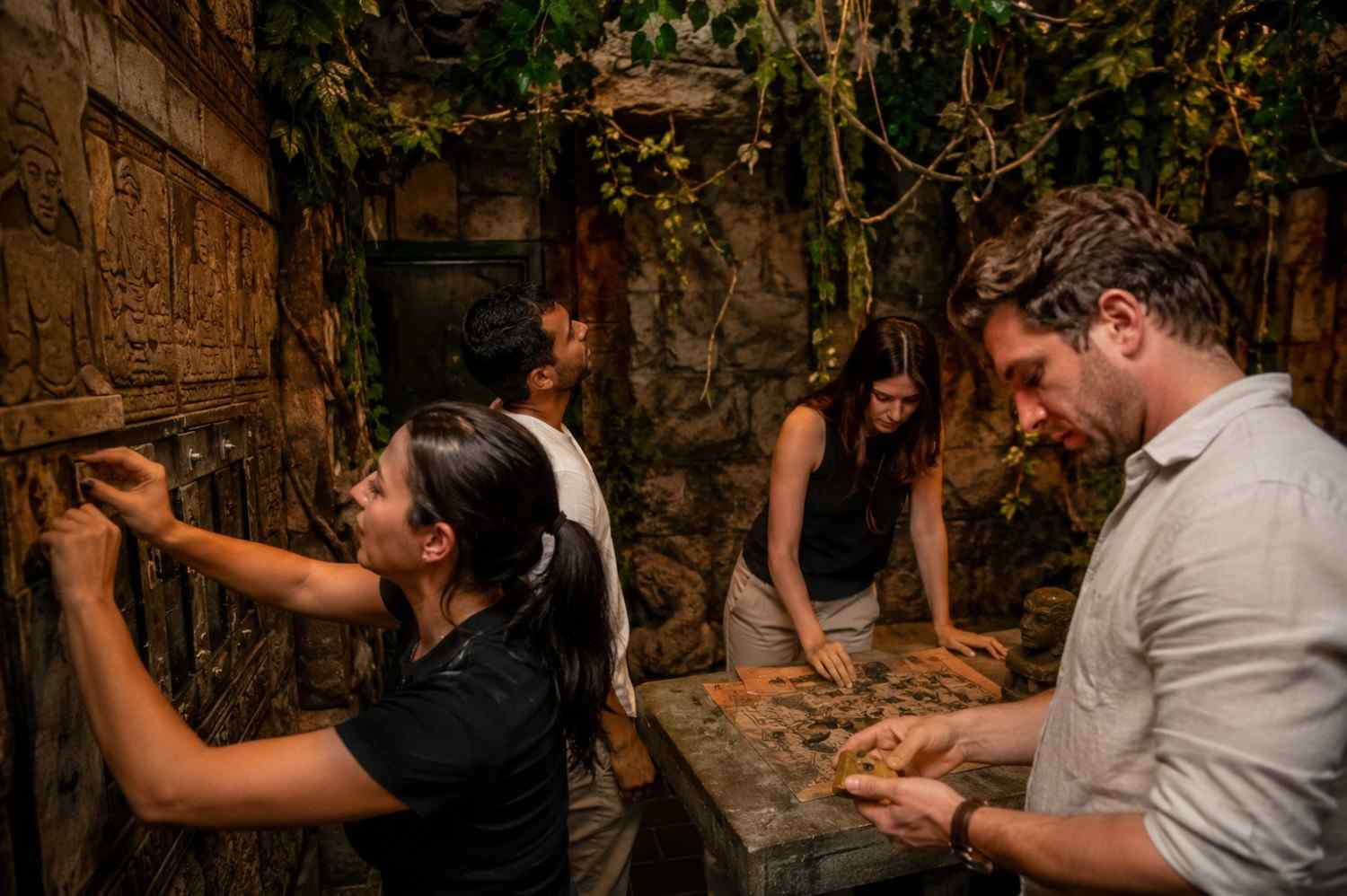
Escape room challenges involve interactive puzzles and physical obstacles that teams must solve before time runs out. Common tasks include decoding hidden messages, solving logic and math puzzles, arranging items in the correct order, and overcoming physical obstacles to find objects and unlock doors.
Players looking to improve their puzzle-solving skills can enjoy a variety of immersive experiences at 4 Dreams Escape Game – Bellevue. Each themed room encourages teamwork, communication, and creative thinking while offering unique challenges that keep participants engaged from start to finish.
What Are Escape Room Challenges?
What They Are
People solve escape room challenges by finding clues and solving puzzles before time runs out. Each puzzle helps the team move closer to the final goal. Players must think, search, and work together to finish the game.
Common Puzzle Types
Escape rooms use many kinds of puzzles to test different skills. Some puzzles ask players to solve riddles, while others use numbers, patterns, or matching tasks. Many challenges escape room players face require careful thinking and close attention to details.
Clues, Locks, and Codes
Players often find clues hidden around the room. These clues can help them open locks, crack codes, or find secret items. As a result, every clue plays an important part in solving the next puzzle.
Hidden Objects and Teamwork
Some puzzles ask players to look for objects hidden in plain sight. Other tasks need players to share ideas and work as one group. Many escape room physical challenges also require players to move objects, reach items, or complete simple tasks together, which makes teamwork very important.
Why Some Escape Room Challenges Feel Difficult
Time Pressure
The clock keeps moving during the game, which can make players feel nervous. Many people rush when they see time running out. As a result, escape room challenges can feel harder because players may miss clues or make simple mistakes.
Miscommunication
Good teamwork helps players solve puzzles faster. Team members can get stuck when they do not share clues or ideas with the group. Because of this, teams may waste time working on the same puzzle without knowing someone already found a helpful clue.
Overthinking Clues
Some players think every clue has a complicated answer. They may spend too much time looking for hidden meanings that are not there. In many cases, the best answer is simple and right in front of them.
Missing Small Details
Escape rooms often hide clues in objects, pictures, numbers, or words. Players sometimes overlook these details when they search too quickly. For this reason, taking a careful look around the room can help players find important clues.
Lack of Organization
A pile of clues can quickly become confusing. Teams work better when they place keys, notes, and solved items in one area. Many escape room team challenges become easier when players stay organized and keep track of what they have already used.
Types of Escape Room Challenges You May Encounter
Logic Puzzles
Logic puzzles ask players to use facts and clues to find the right answer. Players may need to match items, solve a mystery, or place objects in the correct order. Many escape room challenges use logic puzzles because they help test problem-solving skills.
Code-Breaking Tasks
Code-breaking tasks ask players to uncover secret messages or number combinations. They may use symbols, letters, or simple codes to open a lock. As a result, players must pay close attention to every clue they find.
Pattern Recognition Challenges
Pattern puzzles ask players to find shapes, colors, numbers, or symbols that repeat. Players look for links between different clues to find the correct answer. These puzzles reward careful thinking and observation.
Hidden Object Searches
Hidden object puzzles ask players to search the room for items that may unlock the next step. A clue could hide inside a book, drawer, or picture frame. For this reason, players should check the room carefully and work together.
Multi-Step Puzzles
Some puzzles need more than one answer before players can move forward. Players may find a clue, solve a code, and then use the answer to open a lock. Many game designers use these escape room challenges ideas to make the experience more exciting and rewarding.
Physical Coordination Activities
Physical activities ask players to move, reach, or work together to complete a task. One player may hold a button while another solves a puzzle. Because of this, teamwork and communication play a big role in success.
Best Strategies for Solving Escape Room Challenges Faster
Search the Room Carefully
Look around the room as soon as the game starts. Check shelves, boxes, pictures, and other safe places for clues. Many escape room challenges become easier when players take their time and search every area carefully.
Stay Organized
Keep all clues, keys, and puzzle pieces in one spot. This habit helps your team see what you have already found. As a result, you can spend more time solving puzzles and less time looking for missing items.
Communicate Constantly
Tell your team when you find a clue or solve part of a puzzle. Good communication helps everyone stay on the same page. Many challenges escape room players face happen when team members forget to share important information.
Divide Tasks Wisely
Give each person a job so the team can work on different puzzles at the same time. One player can search for clues while another solves a code. Because of this, teams can move through the room much faster.
Keep Track of Solved Clues
Set used clues and opened locks in a separate area. This simple step helps players avoid using the same clue more than once. Many people who enjoy escape rooms in Bellevue Crossroads use this strategy to stay focused and save valuable time during the game.
How Teamwork Helps You Beat Escape Room Challenges
Different Strengths Help
Each person brings different skills to the team. One player may spot clues quickly, while another solves puzzles faster. Many escape room challenges become easier when everyone uses their strengths to help the group.
Better Communication Saves Time
Teams solve puzzles faster when players share what they find. A simple clue can help another player solve a bigger puzzle. Because of this, good communication helps teams avoid wasting time.
Working Together Finds More Clues
Players can find more clues when they search different parts of the room. One person may notice something that others miss. As a result, teamwork helps the group move forward more quickly.
Lead and Support Others
A good leader helps the team stay focused and organized. The leader listens to ideas and encourages everyone to join in. This approach helps players work together without making anyone feel left out.
Group Problem Solving
Teams often solve hard puzzles faster than one person alone. Players can share ideas and test different answers together. Many escape room physical challenges also require players to work as a group to complete tasks and reach the next clue.
Team Building Benefits
Escape rooms help people build trust and learn how to work together. Friends, families, classmates, and coworkers can all improve their teamwork skills during the game. For this reason, many groups choose escape rooms for fun team-building experiences that bring people closer together.
Fun Escape Room Experiences for Every Group
Family Adventures
Families can enjoy spending time together while solving puzzles and finding clues. Many escape room challenges help family members work as a team and share ideas. At 4 Dreams Escape Game – Bellevue, families can enjoy private games that let them focus on fun and teamwork.
Friend Groups
Friends can test their skills while working toward a common goal. Some rooms include escape room physical challenges that ask players to move, search, and work together. As a result, friends can create fun memories while enjoying an exciting adventure.
Corporate Team Building
Coworkers can build trust and improve communication during an escape room team building activity. Team members learn how to solve problems together and support one another. Because of this, many work groups choose private experiences at 4 Dreams Escape Game – Bellevue for team activities.
Birthday Celebrations
An escape room birthday party gives guests a fun way to celebrate a special day. Players can solve puzzles, find clues, and enjoy an exciting challenge together. The private game rooms help make the celebration feel more personal and memorable.
Graduation Celebrations
A graduation escape room event is a great way to celebrate a big achievement with friends and family. Players can enjoy a shared adventure while creating lasting memories. For this reason, many groups choose a private escape room experience to mark this special occasion.
Real Examples of Escape Room Challenges
Jungle Game
Players enter an adventure story where every choice matters. Many escape room challenges in this room ask players to think quickly and work together under pressure.
- Adventure Theme: Players explore a mysterious world filled with surprises.
- Team Communication: Players must share clues and ideas to move forward.
- Decision Making: Players need to make smart choices during the game.
The room encourages teamwork and problem-solving from start to finish. Jungle Game gives players many chances to solve puzzles while staying focused on the goal.
The Pirates Cove
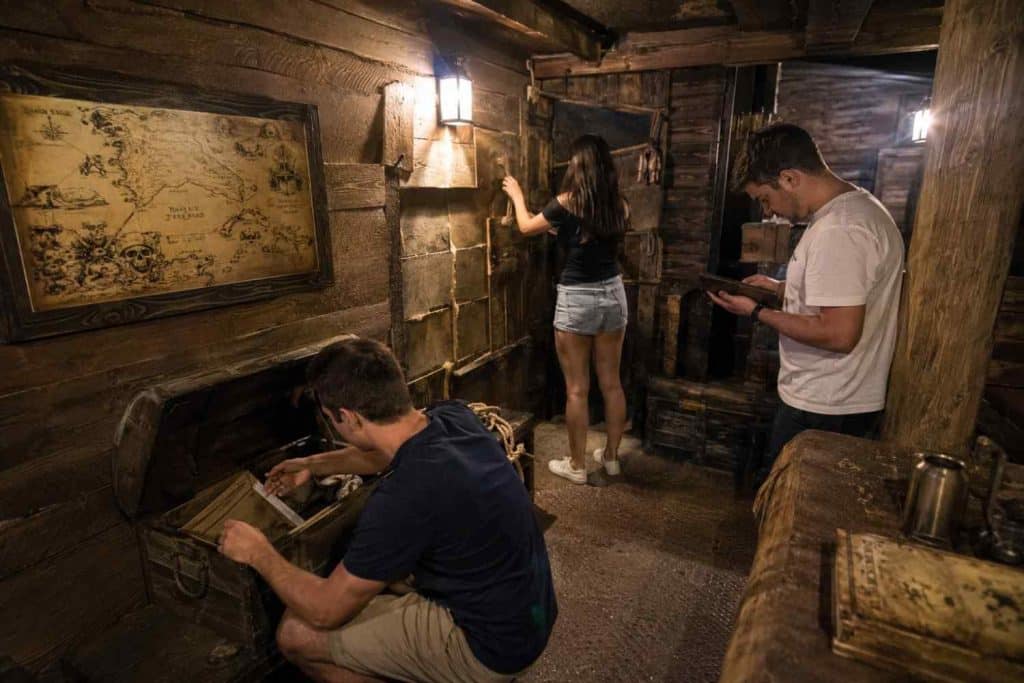
This room takes players on a treasure hunt filled with clues and secrets. Players search carefully and work together to uncover hidden answers.
- Treasure Hunting: Players look for items that help unlock new puzzles.
- Riddles and Codes: Players solve clues to find the correct answers.
- Observation Skills: Players must notice small details around the room.
The Pirates Cove helps players build problem-solving skills while working as a group. As a result, every player can help the team move closer to the treasure.
The Z Lab
This room follows a clear path where one puzzle leads to the next. Many escape room team challenges in this game require players to think fast and stay organized.
- Modern Puzzle Design: Players solve puzzles that connect in a clear order.
- Fast Thinking: Players must act quickly when they find new clues.
- Strategic Teamwork: Players work together to solve each step.
The Z Lab rewards players who communicate well and pay attention to details. Because of this, teams can solve puzzles faster and enjoy a smooth game experience.
Ready to Take on Escape Room Challenges?
Want to test your skills and enjoy exciting escape room challenges with family, friends, or coworkers? Visit 4 Dreams Escape Game – Bellevue for a fun private adventure filled with puzzles and teamwork. Contact us to learn more about our games, or book now and start your next escape room experience.
FAQs
What are escape room challenges?
Escape room challenges are puzzles, clues, and tasks that players must solve before time runs out. Teams work together to find answers, open locks, and complete the game.
Are escape room challenges hard for beginners?
Most escape rooms welcome beginners and experienced players. New players can enjoy the game by working with their team, sharing ideas, and following clues carefully.
How many people should join an escape room?
The best team size depends on the room. Many escape rooms work well with small or large groups. More players can help solve puzzles faster because everyone can search and share ideas.
What should I do if I get stuck on a puzzle?
Take a short break and look at the puzzle from a different angle. You can also ask your teammates for help, since another player may notice something you missed.
Do escape room challenges require physical strength?
Most escape rooms focus on thinking, teamwork, and problem-solving. Some games may include simple physical activities, but players usually do not need special strength or athletic skills to participate.